

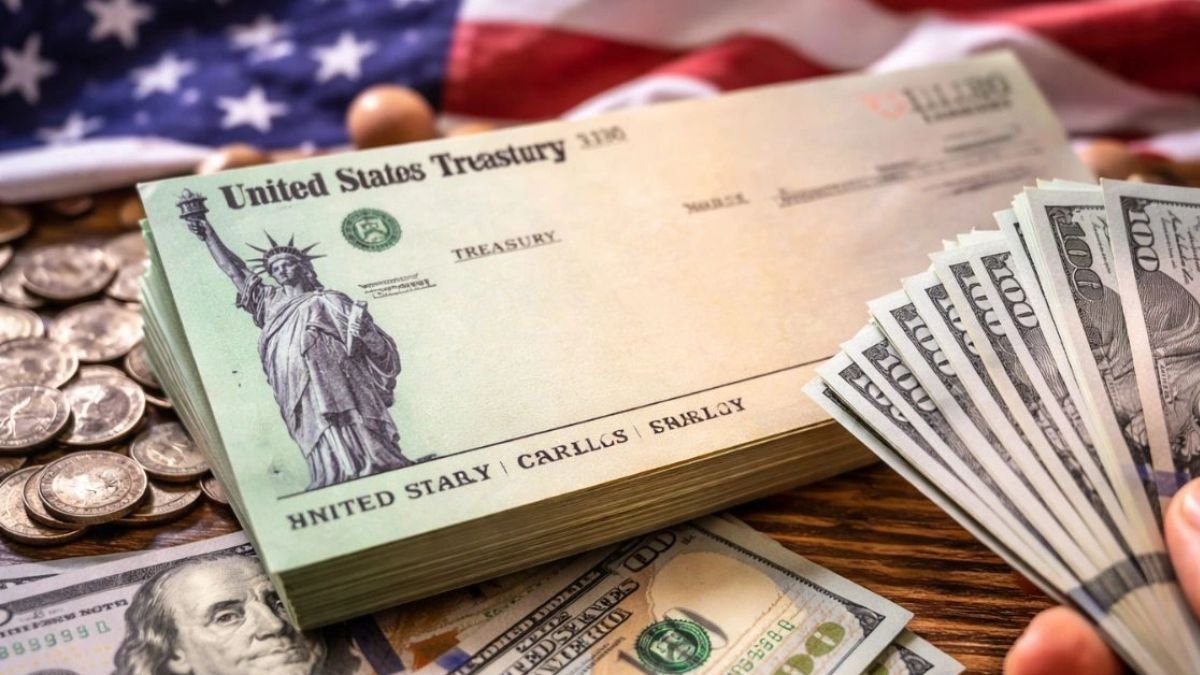
As March 2026 approaches, talk of $1,130 stimulus checks has captured the attention of many Americans looking for financial relief. With inflation and everyday expenses still putting pressure on household budgets, any potential government payment naturally raises questions. People want to know if the payment is real, who qualifies, and when they can expect the money.
While stimulus payments have been a key part of economic support in recent years, it’s important to understand the details behind this reported amount and how it fits into current policies managed by the Internal Revenue Service (IRS).
What Is the $1,130 Stimulus Check
The $1,130 figure being discussed is not necessarily a universal or officially confirmed stimulus payment for every American. In many cases, such amounts are linked to tax refunds, state-level relief programs, or specific federal credits rather than a nationwide stimulus similar to those issued during earlier economic crises.
This means that while some individuals may receive payments close to $1,130, it is not guaranteed for everyone. The amount can vary depending on eligibility, income level, and the type of program involved.
Background: How Stimulus Payments Work
Stimulus checks are typically issued by the federal government to boost economic activity during periods of financial hardship. These payments are designed to help individuals cover essential expenses and encourage spending in the economy.
In the past, stimulus payments were distributed widely, but current financial support tends to be more targeted. Programs now focus on specific groups, such as low-income households, families with children, or individuals eligible for certain tax credits.
The IRS is responsible for distributing these payments, ensuring that eligible recipients receive funds either through direct deposit or mailed checks.
Who May Be Eligible?
Eligibility for any $1,130 payment in March 2026 will depend on the specific program it is tied to. However, there are common factors that typically determine qualification:
- Income level within a certain threshold
- Filing a recent tax return
- Eligibility for tax credits such as the Earned Income Tax Credit (EITC)
- Having dependents or qualifying children
- Residency and tax status requirements
Individuals who meet these criteria are more likely to receive payments, although the exact amount may differ.

Payment Dates: When to Expect the Money
If payments are issued in March 2026, the timeline will likely follow standard IRS processing procedures. For those who file their tax returns early and choose direct deposit, payments can arrive within 2 to 3 weeks after processing.
However, delays may occur for several reasons:
- Errors or missing information in tax returns
- Additional identity verification requirements
- Paper filing instead of electronic filing
Because of these variables, not everyone will receive payments at the same time.

How Payments Will Be Delivered
The IRS typically uses two main methods to distribute payments:
- Direct deposit: The fastest and most secure option
- Paper checks: Sent by mail, but usually slower
Taxpayers who have already provided bank details in previous filings are more likely to receive funds quickly through direct deposit.
Important Updates and Clarifications
It’s important to approach news about stimulus payments with caution. Not all widely shared figures are officially confirmed, and misinformation can spread quickly online.
As of now, there is no universal confirmation that every eligible American will receive exactly $1,130. Instead, this figure should be seen as a possible or average amount tied to certain programs or refunds.
For accurate and up-to-date information, individuals should rely on official announcements from the Internal Revenue Service rather than unofficial sources.
How to Maximize Your Chances of Receiving a Payment
If you believe you may qualify for a payment, there are several steps you can take to improve your chances:
- File your tax return early and accurately.
- Ensure your personal and banking details are up to date.
- Check eligibility for tax credits such as EITC
- Use official IRS tools to track payment status
Taking these steps can help ensure that any eligible payment is processed smoothly and without unnecessary delays.
Common Misconceptions to Avoid
One of the biggest misunderstandings is that the $1,130 stimulus check is a guaranteed payment for everyone. In reality, payments depend heavily on individual circumstances and program eligibility.
Another misconception is that no action is required. In most cases, filing a tax return is essential to receive any refund or credit-based payment.
By understanding these points, individuals can avoid confusion and better prepare for what to expect.
Conclusion: Stay Informed and Prepared
The discussion around $1,130 stimulus checks in March 2026 highlights the ongoing need for financial support in uncertain economic times. While the exact nature of this payment may vary, it underscores the importance of staying informed and proactive.
The Internal Revenue Service continues to play a key role in distributing payments and providing guidance to taxpayers. By keeping track of official updates and ensuring your financial information is accurate, you can be better positioned to receive any support you may be entitled to.
In the end, whether the payment comes as a stimulus check, tax refund, or credit, being prepared and informed is the best way to make the most of available financial assistance in 2026.
FAQs
Q1. What is the $1,130 stimulus check for March 2026?
A. It is a possible payment linked to tax refunds or credits, not a guaranteed amount for everyone.
Q2. Who issues these payments?
A. The Internal Revenue Service handles distribution.
Q3. Who may qualify for the payment?
A. Low- to middle-income taxpayers and those eligible for tax credits like EITC.
Q4. When will payments be sent?
A. Expected around March 2026, depending on tax filing and processing time.
Q5. How will the payment be received?
A. Usually via direct deposit or paper check.