

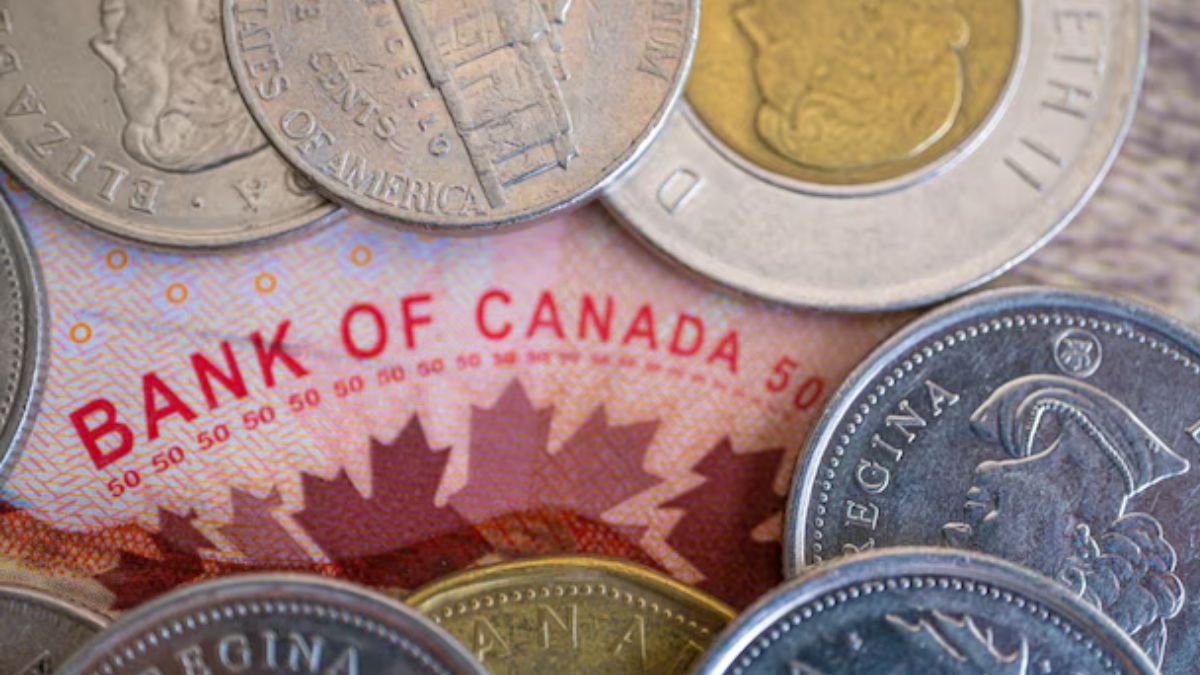
As living expenses continue to rise across Canada, government-backed financial relief programs are playing a crucial role in helping households stay afloat. One of the most significant of these is the carbon rebate, administered by the Canada Revenue Agency (CRA). Officially known as the Climate Action Incentive Payment (CAIP), this benefit is designed to offset the costs associated with federal carbon pricing.
The March 2026 carbon rebate—estimated at around $456 for eligible households—represents one of the quarterly payments distributed throughout the year. This initiative ensures that the majority of Canadians receive more money back than they pay in carbon pricing, making it both an environmental and economic support measure.
Understanding the Purpose of the Carbon Rebate
The carbon rebate is rooted in Canada’s broader climate strategy, which aims to reduce greenhouse gas emissions while protecting household finances. Instead of keeping the revenue generated from carbon taxes, the government redistributes it directly to citizens.
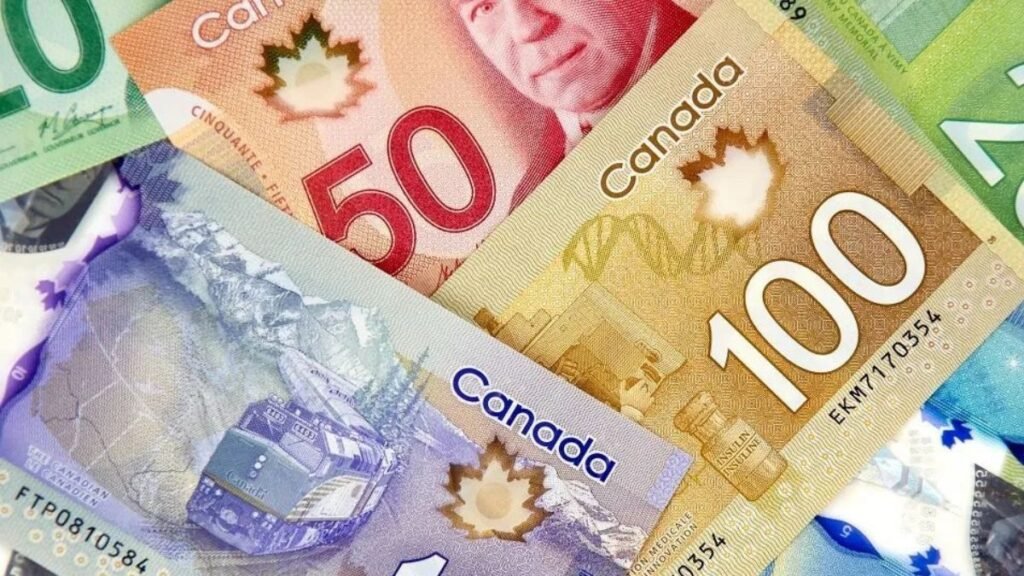
This approach encourages individuals and businesses to adopt greener practices while ensuring that families are not unfairly burdened by higher fuel and energy costs. In fact, many households—especially those with moderate or lower incomes—end up benefiting financially from this system. The rebate acts as a balancing tool, helping Canadians manage expenses without discouraging climate-conscious behavior.
Who Is Eligible for the $456 Carbon Rebate?
Eligibility for the March 2026 carbon rebate depends on a few key criteria. First and foremost, you must be a resident of Canada for income tax purposes. You also need to have filed your latest tax return with the CRA, even if you earned little or no income during the year. Filing taxes is essential because the CRA uses this information to determine your eligibility and payment amount.

The rebate primarily applies to residents of provinces where the federal carbon pricing system is in effect. These typically include Alberta, Saskatchewan, Manitoba, and Ontario. However, eligibility rules can vary slightly depending on provincial policies, so it’s always wise to check the latest updates from the CRA.
Household composition also plays a major role. Payments are structured to include a base amount for individuals, along with additional amounts for spouses or common-law partners and dependent children. This means that families often receive higher payments compared to single individuals.
How Much Will You Receive?
The widely discussed $456 figure is an estimated quarterly payment for certain households, but it is not a fixed amount for everyone. The exact payment you receive depends on factors such as your province of residence and the size of your household.
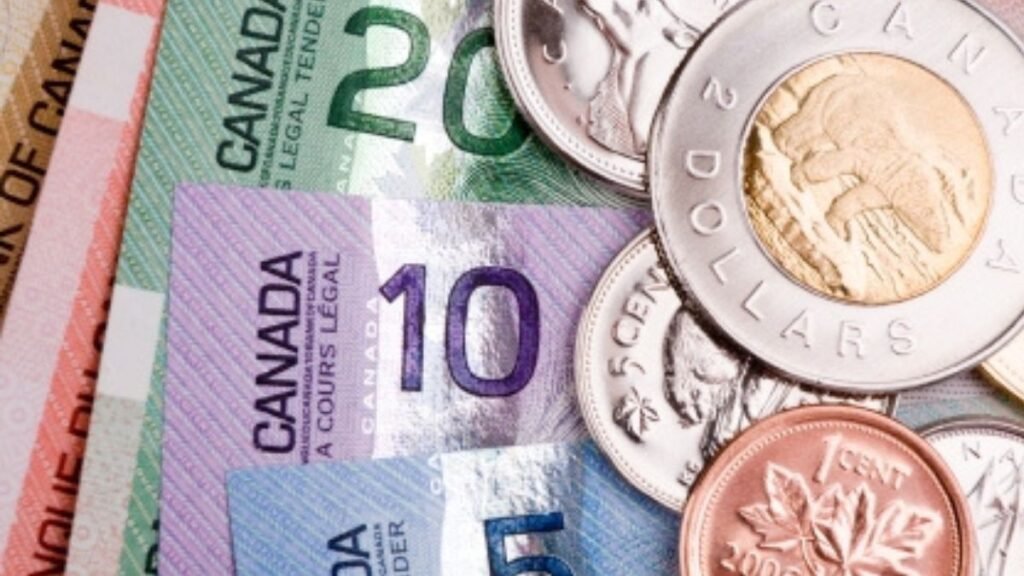
For example, a single individual may receive a lower amount compared to a family of four. Additionally, people living in rural or small communities may qualify for a supplemental payment. This rural top-up recognizes the increased transportation and energy costs often faced by those living outside major urban centers.
Overall, the rebate is designed to be fair and adaptable, ensuring that it reflects the real-life financial pressures faced by different households across Canada.
March 2026 Payment Dates
The carbon rebate is distributed quarterly, making it a dependable source of financial support throughout the year. For March 2026, payments are expected to be issued around the middle of the month, in line with the CRA’s standard payment schedule.

Most Canadians receive their payments via direct deposit, which is the fastest and most reliable method. If you have registered your banking details with the CRA, the funds should appear in your account on the scheduled date. Those who rely on mailed checks may experience slight delays due to postal processing times.
To avoid any issues, it is important to ensure that your personal and banking information is up-to-date in your CRA account.
How the CRA Calculates Your Payment
The CRA calculates your carbon rebate automatically using the information provided in your most recent tax return. This includes details such as your income, marital status, and number of dependents. Unlike some government benefits, the carbon rebate is not heavily income-tested, meaning many Canadians qualify for the full amount regardless of their earnings.
Once your tax return has been processed, the CRA determines your eligibility and schedules your payments. There is no separate application required, which simplifies the process for recipients.
However, changes in your personal circumstances—such as getting married, having children, or moving to a different province—can affect your payment amount. It’s important to report these changes promptly to ensure your payments remain accurate.
Why This Rebate Is Important in 2026
In 2026, the carbon rebate continues to be a vital tool in helping Canadians manage rising costs while supporting environmental goals. With energy prices fluctuating and inflation affecting everyday expenses, this payment provides meaningful financial relief for millions of households.
Beyond its economic benefits, the rebate also reinforces Canada’s commitment to reducing emissions. By putting a price on carbon and returning the revenue to citizens, the government creates a system that promotes sustainability without sacrificing affordability.
Tips to Ensure You Receive Your Rebate on Time
To make sure you receive your March 2026 carbon rebate without any delays, there are a few important steps to follow. First, always file your income tax return on time. Even if you have no income, filing is necessary to qualify for the payment.
Second, consider signing up for direct deposit through the CRA. This ensures that your payment is delivered quickly and securely. Keeping your personal information, including your address and banking details, up to date is equally important.
Finally, regularly check your CRA account for updates or notifications بشأن your benefits. Staying informed will help you avoid any surprises and ensure that you receive the full amount you are entitled to.
Final Thoughts
The $456 CRA carbon rebate for March 2026 is more than just a financial benefit—it is a key part of Canada’s strategy to balance environmental responsibility with economic support. By understanding the eligibility rules, payment dates, and how the system works, you can ensure that you make the most of this program.
For Canadian households, this rebate offers a reliable source of quarterly income that can help cover essential expenses and ease financial pressure. As climate policies continue to evolve, staying informed and proactive will be essential in maximizing the benefits available to you.
FAQs
Q1. Who is eligible for the $456 CRA carbon rebate in March 2026?
A. Canadian residents who filed their taxes and live in eligible provinces qualify.
Q2. When will the March 2026 carbon rebate be paid?
A. It is expected to be paid around mid-March 2026.
Q3. Is the $456 rebate amount fixed for everyone?
A. No, the amount varies based on province and family size.
Q4. Do I need to apply for the carbon rebate separately?
A. No, the CRA automatically calculates and sends it after tax filing.
Q5. How will I receive the carbon rebate payment?
A. It is paid via direct deposit or cheque, depending on your CRA setup.