
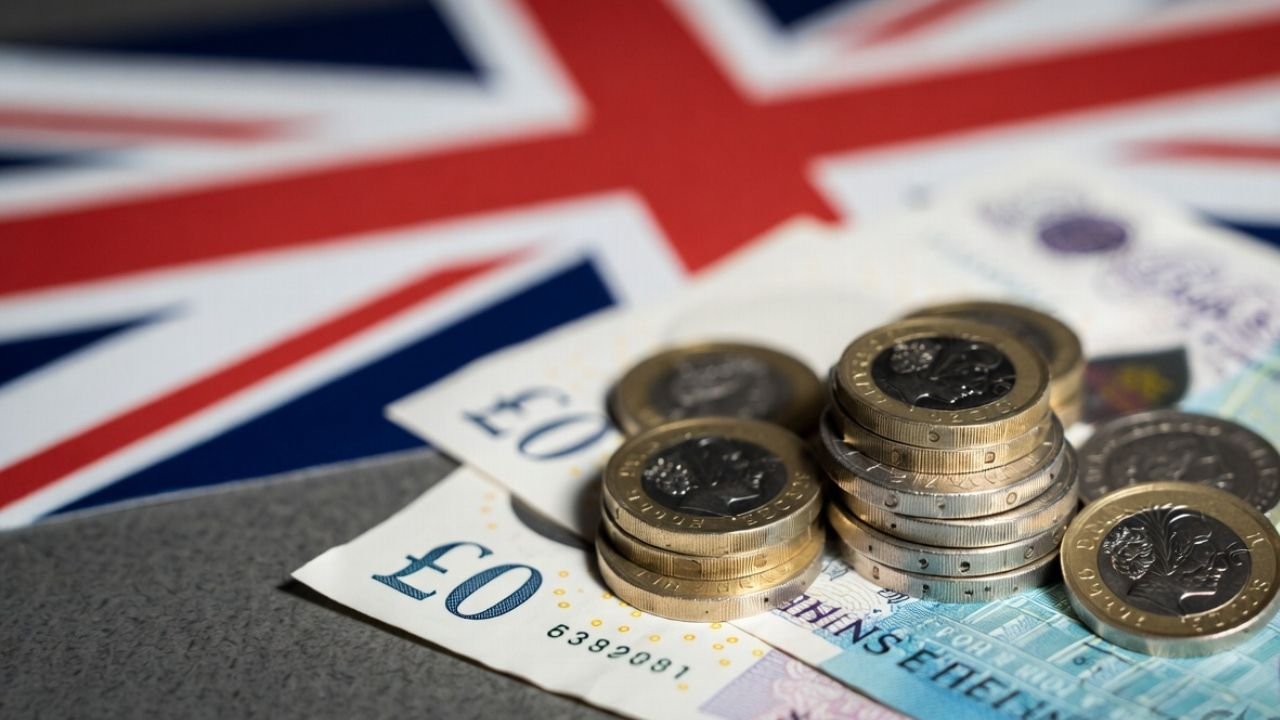
Good news has emerged for millions of employees across the United Kingdom (UK) regarding the year 2026. The government has decided to increase both the National Minimum Wage and the National Living Wage. The primary objective of this move is to mitigate the impact of rising inflation and improve employees’ income levels. This increase holds particular significance for individuals working in the retail, hospitality, and service sectors, as even a modest hourly raise can translate into hundreds—or even thousands—of pounds in additional annual earnings.
When Will the New Wage Rules Take Effect?
The new wage rates will come into force on April 1, 2026. From this date onward, it will be mandatory for all employers to pay their employees in accordance with the new minimum rates, based on their respective age groups. However, employees may see the benefit reflected in their paychecks in either April or May, depending on their specific payroll cycle. This adjustment is determined annually based on recommendations provided by an independent body, which advises the government while taking the prevailing economic conditions into account.
New Wage Rates for 2026
The government has raised wages across all age categories. For employees aged 21 and over, the National Living Wage has been increased from £12.21 to £12.71 per hour. Meanwhile, for employees aged 18 to 20, the rate has risen from £10.00 to £10.85 per hour—a significant increase in percentage terms. Wages for young workers aged 16–17, as well as apprentices, have also been raised from £7.55 to £8.00 per hour.
How Much Will Employees Benefit in Terms of Income?
The impact of this wage increase will be clearly visible in employees’ annual earnings. For instance, if an employee over the age of 21 works 40 hours a week, they could earn approximately £1,000 more over the course of a year. While this may not entirely resolve the issue of inflation, it will certainly prove helpful in providing financial relief.
The Government’s Objective and Rationale
The government states that the aim of this decision is not merely to increase wages, but also to maintain economic equilibrium. This includes providing support to low-income families, ensuring fair wages across all sectors, and keeping wage growth aligned with overall economic development. However, some small businesses have expressed concern that this move could lead to increased operational costs for them.
Which Employees Are Covered by the Rule?
In the UK, minimum wage legislation applies to almost all employees. This includes full-time, part-time, and temporary staff, as well as apprentices and individuals on zero-hour contracts. If an employer pays less than the statutory minimum wage, employees have the right to file a complaint.
The Difference Between the National Minimum Wage and the Living Wage
People often get confused regarding these two terms. The National Minimum Wage applies to employees under the age of 21, whereas the National Living Wage applies to those aged 21 and over. Both are legally enforceable and are updated annually.
Potential Impact on the Job Market
While a wage increase will undoubtedly benefit employees, it could also have repercussions for the job market. Some experts believe that this will improve people’s standard of living and boost their purchasing power. Conversely, others argue that companies might scale back recruitment or raise prices to offset their rising costs. However, past experience suggests that such wage increases have not resulted in any significant negative impact on employment levels.
What Should Employees Do?
Most employees will receive this increased wage automatically; nevertheless, vigilance is advised. Be sure to check your payslip after April 2026 to ensure that you are being paid in accordance with the new rate. If you notice any discrepancies, contact your employer immediately.
Conclusion
The minimum wage increase in the UK in 2026 is a significant government initiative that will provide economic relief to millions of employees. While it may not fully resolve the issue of inflation, this step will undoubtedly help boost people’s incomes and improve their standard of living.
FAQs
1. When will the new UK minimum wage rates start in 2026?
The new minimum wage rates will come into effect from 1 April 2026, and workers will usually see the increase in their April or May payslips.
2. How much is the National Living Wage in 2026?
For workers aged 21 and over, the National Living Wage will rise to £12.71 per hour.
3. Who is eligible for the minimum wage in the UK?
Most workers are eligible, including full-time, part-time, temporary staff, apprentices, and zero-hour contract workers.