
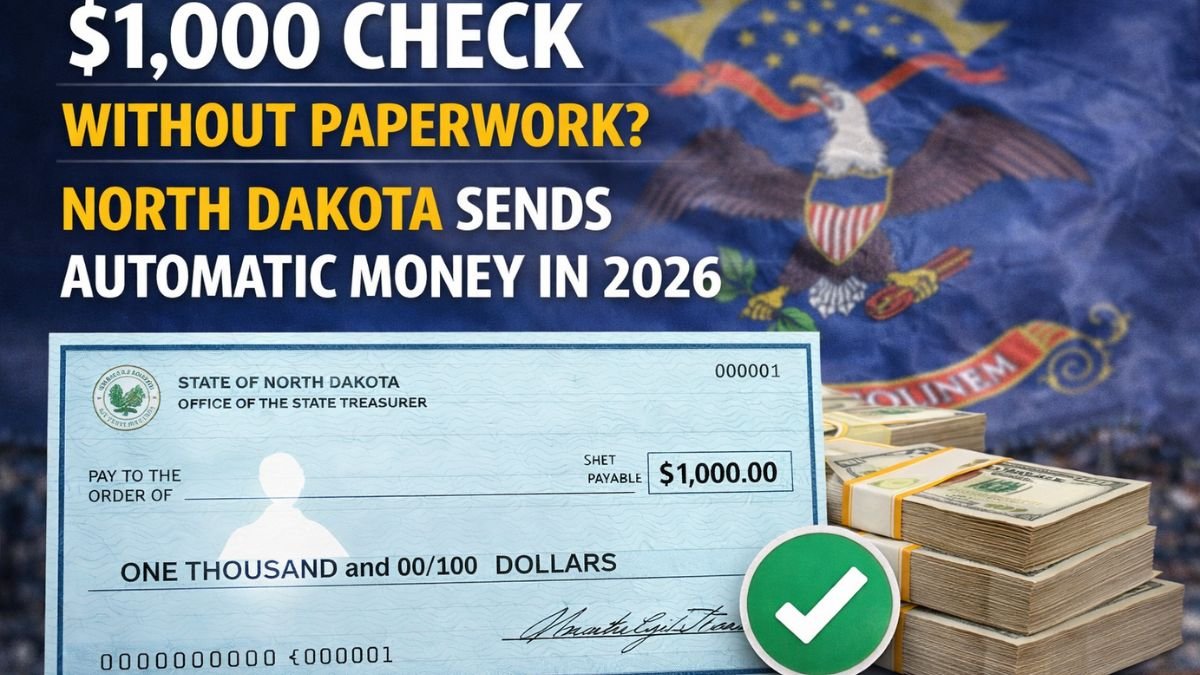
In an era where financial assistance programs often involve lengthy forms, eligibility checks, and waiting periods, the idea of receiving money automatically without paperwork sounds almost too good to be true. Yet, in 2026, residents of North Dakota may experience exactly that. The announcement of a $1,000 automatic payment has sparked widespread curiosity, excitement, and even skepticism among people eager to understand how this initiative will work.
This program represents a shift in how state-level financial support is delivered. Instead of placing the burden on individuals to apply and prove eligibility through complex procedures, the system is designed to streamline the process and make payments more accessible. For many residents, this means less stress and faster access to funds that can make a meaningful difference in their lives.
Understanding the Concept of Automatic Payments
Automatic payments are not entirely new, but their application in large-scale financial relief programs is still evolving. Traditionally, government assistance requires individuals to submit applications, provide documentation, and wait for approval. This process, while necessary for verification, can sometimes create barriers for those who need support the most.
The approach taken in North Dakota aims to eliminate these barriers by using existing data to identify eligible recipients. By leveraging information already available through tax records or state databases, authorities can distribute payments directly without requiring additional action from residents. This not only speeds up the process but also ensures that more people receive the assistance they are entitled to.
The concept reflects a broader trend toward efficiency and inclusivity in public policy. By reducing administrative hurdles, governments can focus on delivering support where it is needed most, without unnecessary delays.

Why North Dakota Is Taking This Step
The decision by North Dakota to implement automatic payments is rooted in both economic and social considerations. Like many regions, the state has experienced fluctuations in economic conditions, with residents facing challenges related to inflation, rising living costs, and changing job markets.
Providing a $1,000 payment is a way to offer direct financial relief, helping individuals and families manage their expenses. Whether it is used for housing, utilities, groceries, or savings, the additional income can ease financial pressure and improve overall well-being.
At the same time, this initiative can stimulate the local economy. When residents receive extra funds, they are more likely to spend money within their communities, supporting businesses and contributing to economic growth. This creates a ripple effect that benefits not just individuals but the state as a whole.
Who Could Be Eligible for the Payment
While the exact eligibility criteria may depend on official guidelines, automatic payment programs typically rely on existing records to determine who qualifies. This could include residents who have filed state taxes, individuals with a registered address in the state, or those meeting certain income thresholds.
The advantage of this approach is that it minimizes the risk of eligible individuals missing out due to lack of awareness or difficulty navigating the application process. By identifying recipients automatically, the state ensures a more inclusive distribution of funds.
However, it is still important for residents to keep their information up to date. Accurate records, including current addresses and banking details, play a crucial role in ensuring that payments are delivered smoothly and without delays.
How the Payment Process May Work
The mechanics of delivering automatic payments are designed to be simple and efficient. In most cases, funds are expected to be transferred directly into recipients’ bank accounts through direct deposit. This method is widely used because it is fast, secure, and convenient.
For individuals who do not have direct deposit set up, alternative methods such as mailed checks may be used. While this option may take slightly longer, it ensures that everyone has access to the payment regardless of their banking situation.
The absence of paperwork does not mean a lack of oversight. The system still relies on verified data to ensure that payments are accurate and reach the intended recipients. This balance between efficiency and accountability is key to the success of such programs.
The Impact on Everyday Life
Receiving an unexpected $1,000 can have a significant impact on a household’s finances. For some, it may provide relief from immediate financial pressures, such as overdue bills or essential expenses. For others, it may offer an opportunity to save or invest in future needs.
The psychological impact should not be overlooked either. Knowing that financial support is available without the stress of applications can bring a sense of security and reassurance. It reflects a system that is responsive to the needs of its residents, fostering trust and confidence in public institutions.
In addition, the simplicity of the process allows individuals to focus on how best to use the funds rather than worrying about eligibility requirements or deadlines. This shift in focus can make the experience more positive and empowering.
Addressing Questions and Concerns
As with any new initiative, the announcement of automatic payments has raised several questions. Some people wonder whether there are hidden conditions or whether the payments will affect other benefits. Others are curious about how eligibility is determined and what steps they need to take, if any.
These concerns are natural, especially given the novelty of the approach. Clear communication from authorities will be essential in addressing these questions and ensuring that residents understand how the program works. Transparency about eligibility criteria, payment methods, and timelines can help build trust and prevent confusion.
It is also important for individuals to stay informed through official channels. Relying on accurate and up-to-date information can help avoid misunderstandings and ensure that recipients are prepared for the payment process.
A Step Toward Modernizing Financial Assistance
The initiative by North Dakota can be seen as part of a broader effort to modernize financial assistance programs. By embracing technology and data-driven approaches, governments can improve efficiency and reduce administrative costs.
This shift has the potential to transform how support is delivered in the future. Automatic payments could become more common, particularly in situations where timely assistance is critical. The lessons learned from this program may influence similar initiatives in other states or regions.
At the same time, it highlights the importance of maintaining accurate records and ensuring data security. As systems become more automated, safeguarding personal information becomes a top priority. Balancing innovation with privacy and security will be key to the long-term success of such programs.

Looking Ahead to 2026
As 2026 approaches, anticipation is likely to grow among residents eager to benefit from this initiative. The promise of a $1,000 payment without paperwork is both appealing and reassuring, offering a glimpse into a more streamlined approach to financial support.
While details may continue to evolve, the core idea remains clear: making assistance more accessible and reducing the burden on individuals. This approach reflects a commitment to meeting the needs of residents in a practical and efficient way.
For those who may be eligible, the best course of action is to stay informed and ensure that their personal information is up to date. Being prepared can help ensure a smooth and hassle-free experience when the payments are distributed.
Conclusion
The announcement of automatic $1,000 payments in North Dakota marks an important step toward simplifying financial assistance. By removing the need for paperwork and streamlining the process, the state is setting an example of how support can be delivered more effectively.
This initiative is not just about providing money; it is about creating a system that is accessible, efficient, and responsive to the needs of its residents. It represents a shift in perspective, যেখানে the focus is on making assistance easier to receive rather than harder to access.
As the program unfolds, it has the potential to make a meaningful difference in the lives of many individuals and families. Whether it is easing financial stress, supporting local economies, or inspiring similar initiatives elsewhere, the impact of this approach could be far-reaching.
In the end, the idea of receiving a $1,000 check without paperwork is more than just a headline—it is a reflection of how innovation and thoughtful policy can come together to create positive change.
FAQs
1. Who will receive the $1,000 payment in 2026?
Eligible residents of North Dakota based on state records may receive the payment automatically.
2. Do I need to apply or fill out paperwork?
No, the payment is expected to be sent automatically without any application process.
3. How will the money be delivered?
Payments will likely be sent via direct deposit or mailed check, depending on your details.