
For millions of Americans, Social Security is more than just a government benefit—it is a financial lifeline that supports daily living expenses, healthcare costs, and long-term stability. As April 2026 approaches, beneficiaries are once again focusing on payment schedules to ensure they can plan their finances effectively. Knowing exactly when payments will arrive is essential, especially for retirees, disabled individuals, and survivors who rely heavily on these monthly deposits.
The system managed by the Social Security Administration follows a structured schedule that may seem complex at first glance. However, once understood, it becomes a reliable and predictable framework that helps beneficiaries organize their monthly budgets with confidence.
Why There Are Multiple Payment Dates
Unlike a single payday system, Social Security payments are distributed across multiple dates each month. This approach helps the government manage the vast number of beneficiaries efficiently while reducing strain on banking systems.
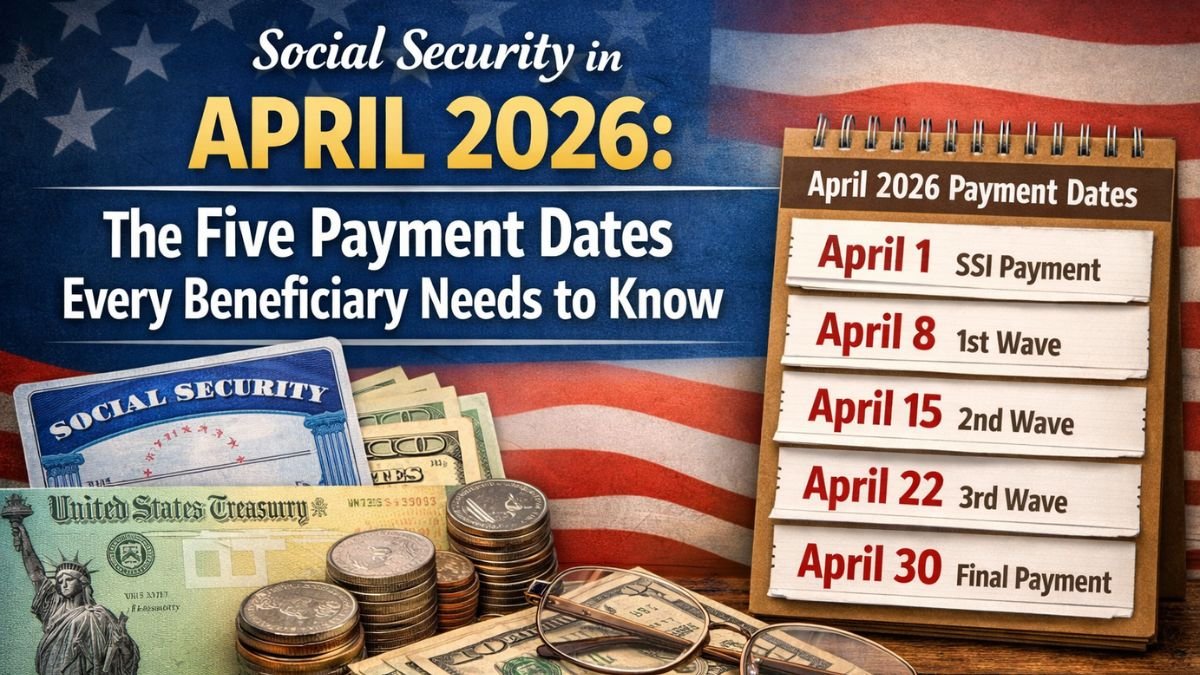
The payment dates are primarily determined by the recipient’s birth date and the type of benefits they receive. This staggered distribution ensures smoother processing and minimizes delays. For April 2026, there are five key payment dates that beneficiaries need to keep in mind, each corresponding to a specific group.
This structured system may initially seem complicated, but it ultimately serves to provide consistency and reliability—two factors that are crucial for individuals who depend on timely payments.

The First Payment Date: April 1 for Supplemental Security Income
The first payment in April 2026 is scheduled for April 1, and it is designated for recipients of Supplemental Security Income, commonly known as SSI. These payments are typically issued on the first day of each month unless that day falls on a weekend or holiday.
SSI benefits are designed to support individuals with limited income and resources, including seniors and people with disabilities. For these beneficiaries, receiving payments at the beginning of the month is especially helpful, as it allows them to cover essential expenses such as rent, utilities, and groceries without delay.
The Second Payment Date: April 3 for Early Beneficiaries
The next important date is April 3, which applies to individuals who began receiving Social Security benefits before May 1997. This group follows a slightly different schedule compared to others, receiving their payments earlier in the month.
This early payment system is a legacy structure that continues to benefit long-term recipients. It provides them with a consistent timeline that many have relied on for decades, making financial planning more predictable and manageable.
Mid-Month Payments Based on Birth Dates
For most beneficiaries, Social Security payments are distributed based on their birth dates. This system divides recipients into three groups, each receiving payments on a specific Wednesday of the month.
Those born between the 1st and 10th of any month will receive their payment on April 8, 2026, which is the second Wednesday of the month. This group represents a significant portion of beneficiaries and benefits from a predictable mid-month schedule.
Individuals born between the 11th and 20th will receive their payments on April 15, 2026, the third Wednesday of the month. This staggered approach ensures that payments are evenly distributed across the system.
Finally, beneficiaries born between the 21st and 31st will receive their payments on April 22, 2026, which is the fourth Wednesday. This completes the five-payment schedule for the month, ensuring that all recipients receive their benefits in an organized manner.
How This Schedule Impacts Financial Planning
Understanding these payment dates is more than just a matter of convenience—it plays a critical role in financial planning. Many beneficiaries align their bill payments, grocery shopping, and other expenses with their Social Security deposit dates.
For those living on a fixed income, even a slight delay or misunderstanding of the schedule can create financial stress. That is why being aware of the exact dates for April 2026 can help individuals avoid late fees, manage cash flow, and maintain a sense of financial stability.
Moreover, the predictability of the system allows beneficiaries to plan ahead. Whether it’s setting aside money for emergencies or budgeting for monthly expenses, knowing when funds will arrive provides a strong foundation for financial decision-making.
The Role of Direct Deposit and Digital Payments
In recent years, the Social Security Administration has increasingly encouraged beneficiaries to use direct deposit and electronic payment methods. These options not only ensure faster access to funds but also reduce the risk of lost or delayed checks.
For April 2026, most beneficiaries can expect their payments to be deposited directly into their bank accounts on the scheduled dates. This seamless process eliminates the need for physical checks and provides immediate access to funds.
Digital payments also offer added security and convenience, allowing recipients to manage their finances more efficiently. As technology continues to evolve, these methods are becoming the standard for benefit distribution.
Common Misunderstandings About Payment Dates
Despite the structured nature of the Social Security payment system, there are still common misconceptions that can lead to confusion. One of the most frequent misunderstandings is the belief that all beneficiaries receive their payments on the same day.
In reality, the staggered schedule is designed to accommodate millions of recipients without overwhelming the system. Another common misconception is that payment dates change frequently. While adjustments can occur due to holidays or weekends, the overall structure remains consistent from month to month.
By understanding how the system works, beneficiaries can avoid unnecessary चिंता (worry) and focus on managing their finances effectively.
Preparing for April 2026 Payments
As April approaches, it is a good idea for beneficiaries to review their payment schedules and ensure that their banking information is up to date. This simple step can prevent potential delays and ensure a smooth payment process.
Additionally, keeping track of expenses and aligning them with payment dates can help individuals maintain better control over their finances. For those who rely solely on Social Security income, careful planning is essential to avoid financial strain.
The five payment dates in April 2026 provide a clear roadmap for beneficiaries, allowing them to plan their month with confidence and clarity.

The Broader Impact of Social Security
Social Security is one of the most significant social programs in the United States, supporting millions of individuals and families. Its impact extends beyond individual beneficiaries, contributing to the overall stability of the economy.
By providing a steady source of income, Social Security helps reduce poverty, support local businesses, and ensure that seniors and vulnerable populations can maintain a basic standard of living.
The payment schedule, while seemingly administrative, plays a crucial role in delivering these benefits efficiently and reliably.
Conclusion
As April 2026 approaches, understanding the five key Social Security payment dates is essential for every beneficiary. From SSI payments on April 1 to the final distribution on April 22, each date serves a specific group and ensures that benefits are delivered in an organized manner.
By staying informed and planning ahead, beneficiaries can make the most of their Social Security income and maintain financial stability throughout the month. In a world where financial certainty is increasingly valuable, knowing when your payment will arrive can make all the difference.
FAQs
When is the first Social Security payment in April 2026?
April 1, for SSI beneficiaries.
How are payment dates decided?
They are based on your birth date and benefit type.
What is the last payment date in April 2026?
April 22, for those born between the 21st and 31st.