
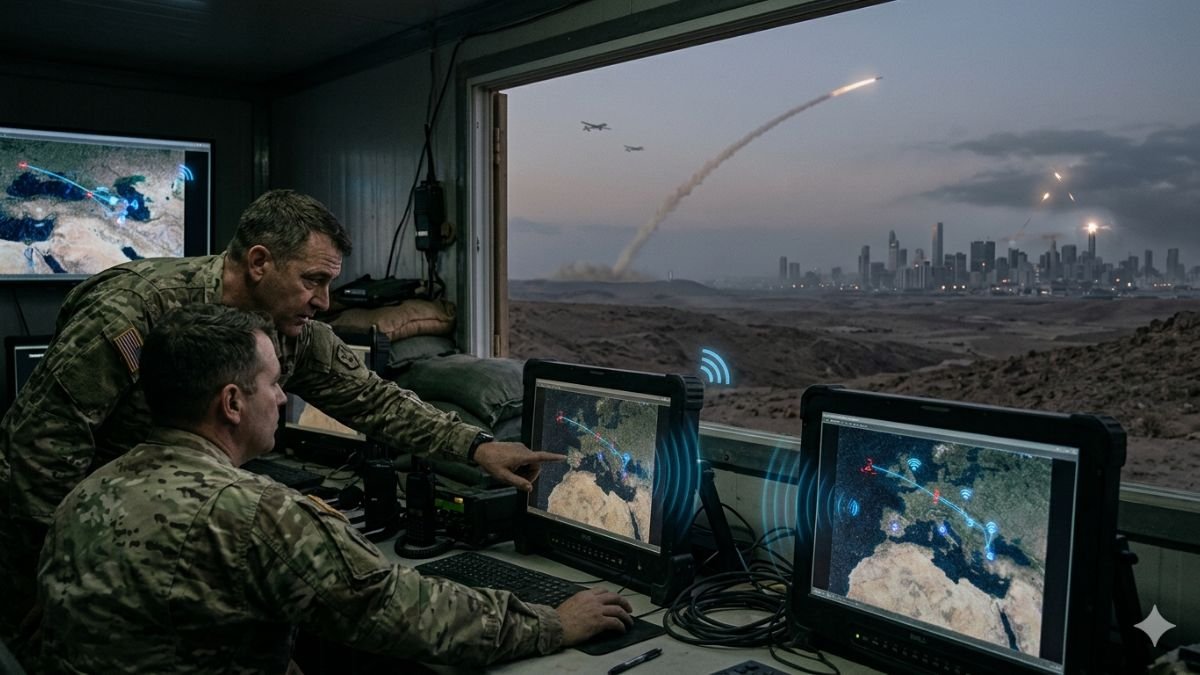
Over the past few years, tensions in the Middle East have steadily escalated, particularly between Iran and Israel. This conflict is not merely a direct war, but also a “shadow war” between the two nations—one involving strategies such as missile strikes, drones, proxy groups, and cyber warfare.
The primary objective of Iran’s military strategy is not only to inflict direct harm upon Israel but also to keep it under constant economic, political, and military pressure. To this end, Iran has developed various asymmetric warfare techniques that diverge significantly from traditional state-on-state military engagements.
Missile and Drone Attacks: Direct Confrontation and Retaliation
Iran has repeatedly launched ballistic missiles and drones against Israel and its allies. These missiles and drones sometimes head directly toward Israel, while at other times, they target U.S. or allied military bases stationed in other Middle Eastern nations.
This strategy is employed for two primary reasons:
- Demonstrating Direct Impact: Missiles and drones serve to escalate the intensity of the conflict and challenge the efficacy of Israel’s security systems.
- Economic and Psychological Pressure: Creating a persistent atmosphere of danger through missile threats compels Israel to expend substantial resources on its air defense systems and civil defense infrastructure.
However, Israel possesses robust air defense systems—such as the Iron Dome and various other interceptors—that effectively counter incoming missiles and drones. Consequently, the actual damage inflicted by Iran’s missile attacks often remains limited.
Asymmetric Warfare: Proxy Groups and Regional Partners
A critical component of Iran’s strategy is “proxy warfare”—that is, utilizing local or regional groups to wage conflict and thereby exert pressure on Israel. Prominent among these are:
Hezbollah—an armed group based in Lebanon
Other Shia militia groups allied with Iran
These groups launch attacks on Israel’s northern and southern borders, forcing Israel to fight on multiple fronts and placing a strain on its military forces and resources.
This strategy seeks to prolong the conflict and exhaust the adversary’s resources while avoiding direct confrontation.
Cyber Warfare and Energy Sanctions
Iran has utilized not only conventional weaponry but has also targeted the networks of Israel and its allies through cyberattacks. These cyberattacks often focus on government systems, critical infrastructure, and banking networks with the aim of creating economic and administrative disruption.
Furthermore, Iran has threatened to close the Strait of Hormuz—a vital artery for global oil and gas transportation. The threat of blocking this passage creates instability in the global energy market, thereby exerting economic pressure on Israel and its allies.
Effectiveness: Is Iran’s Strategy Successful?
Iran’s military strategy possesses pressures. several strengths and weaknesses:
Strengths
- Asymmetric Warfare Capabilities: Missiles, drones, and proxy groups pose a persistent challenge to Israel.
- Economic Pressure: Cyber and energy-related strategies impact Israel’s allies as well.
- Resilient Network: Underground missile bases and dispersed assets help prolong the conflict.
Weaknesses
- Limited Impact of Advanced Missiles: Many missiles and drones are intercepted by Israel’s defense systems, resulting in minimal actual damage.
- Economic and Military Damage: Israeli-American strikes have impaired Iran’s missile and production capabilities, thereby diminishing its capacity for direct warfare.
- Political and Military Strain: The sustained conflict has placed immense pressure on Iran’s resources and eroded its domestic support.
Conclusion
Iran’s military strategy has shifted away from conventional warfare, adopting an unconventional, comprehensive, and regionally focused approach. The combination of tactics—such as missiles, drones, proxy groups, cyberattacks, and energy sanctions—renders this a protracted, arduous, and complex conflict.
Although this strategy often yields limited impact in the face of Israel’s modern security systems, it nevertheless remains a persistent security challenge for Israel and its allies. The actual trajectory and outcome of the conflict will depend on future political decisions and international pressures.
FAQs
Q1. What kinds of military tactics has Iran used against Israel?
A. Iran has relied on a mix of ballistic and cruise missiles, drones, cyber operations, and support for allied proxy groups to pressure Israel and challenge its defenses.
Q2. Does Iran directly attack Israel’s territory?
A. Iran often avoids direct conventional invasions, instead using long-range missiles and proxies like Hezbollah, Houthis, and other militias to launch attacks or harass Israeli forces.
Q3. How effective are Iran’s strategies against Israel’s defenses?
A. While Iranian strikes and proxy actions can cause damage and stretch Israel’s defenses, Israel’s advanced missile defense systems and counter-operations have limited their overall effectiveness.